Outdoor Growing
How to Give Patio Pots Reliable Drainage
Test whether runoff leaves your patio containers freely, find out what slows drainage, and correct wet spots without rebuilding every pot on the terrace.
7 min read
Watch where the water goes
Water can leave the top of a pot rapidly and still have nowhere to go by the time it reaches the bottom. To see what is happening, run a small amount of water onto a manageable planted pot and watch the outlet. If the mix was already fairly moist, excess should eventually emerge from the hole. A darkening surface and no discharge can mean the mix is simply taking up the water. A long-lasting pool on top, a water line inside a cover pot, or mix that remains saturated for days after a single watering deserves a closer look. Make a note of whether the last watering was yours or came from a stretch of rain.
The opposite result also warrants a test. If water runs out immediately and the area around the plant still feels dry later, it may have traveled between the sides of a shrunken root ball and the pot wall. That fast runoff is bypass, not proof that the plant got enough. Press a finger below the surface after drainage. A patch of dense dry mix in the center can sit next to a thoroughly wet outer layer. Learn how the original root ball and the surrounding mix behave separately.
Inspect the outlet without damaging roots
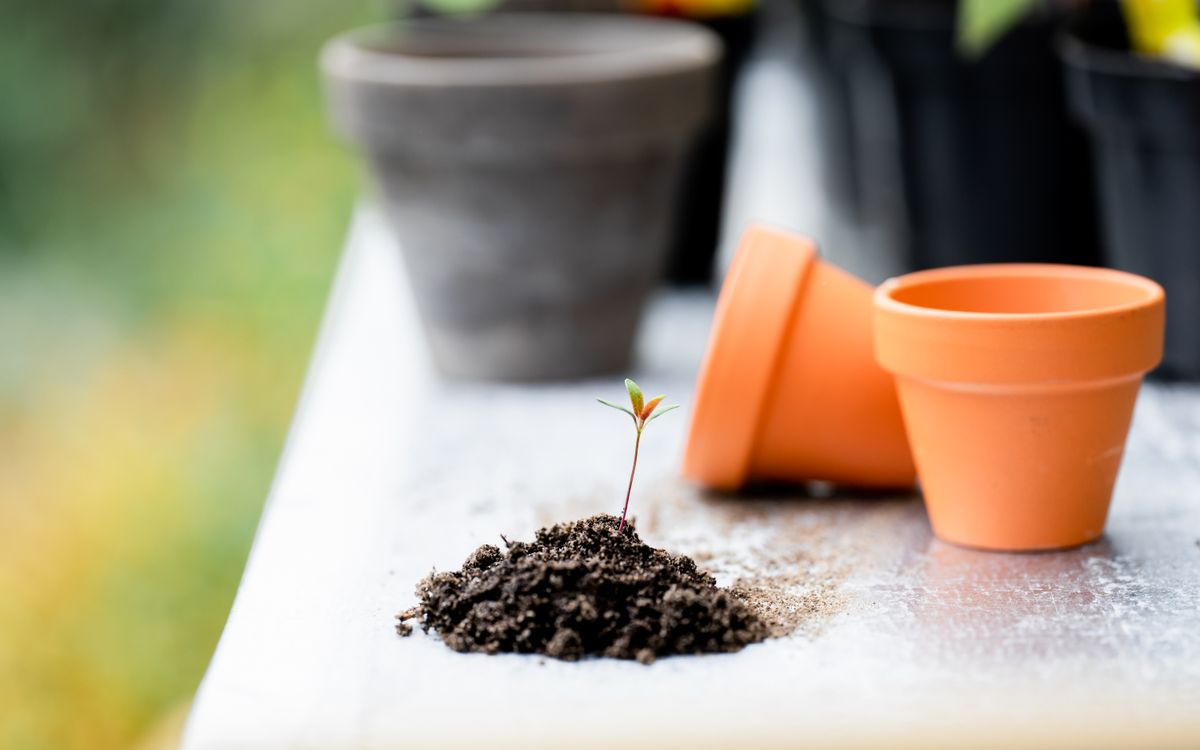
Look at the base of any pot you plan to use. Some decorative vessels are designed to hide a plain nursery pot and have no opening at all. Others are sold with a plastic plug intended for removal in outdoor use. Remove a plug before using the vessel as a planted pot provided the design allows it. A hole should be big enough and clear enough to discharge water. Flexible mesh over a very large outlet can keep potting mix from escaping, especially during the first watering. Avoid coverings fine enough to clog as the mix settles.
Check that the outlet continues to work on the intended surface. A pot sitting flat on a patio slab may seal a central hole more effectively than it did on a nursery bench. Stable, purpose-made pot feet can lift that outlet, provided the pot stays secure. Side outlets should also remain clear. Runoff must be free to leave the area without crossing indoor thresholds or pooling where people normally walk. Clear leaves and displaced mulch from the bottom before testing again. For an occupied pot, avoid poking deeply from below and cutting roots.
Use a consistent mix through the root zone
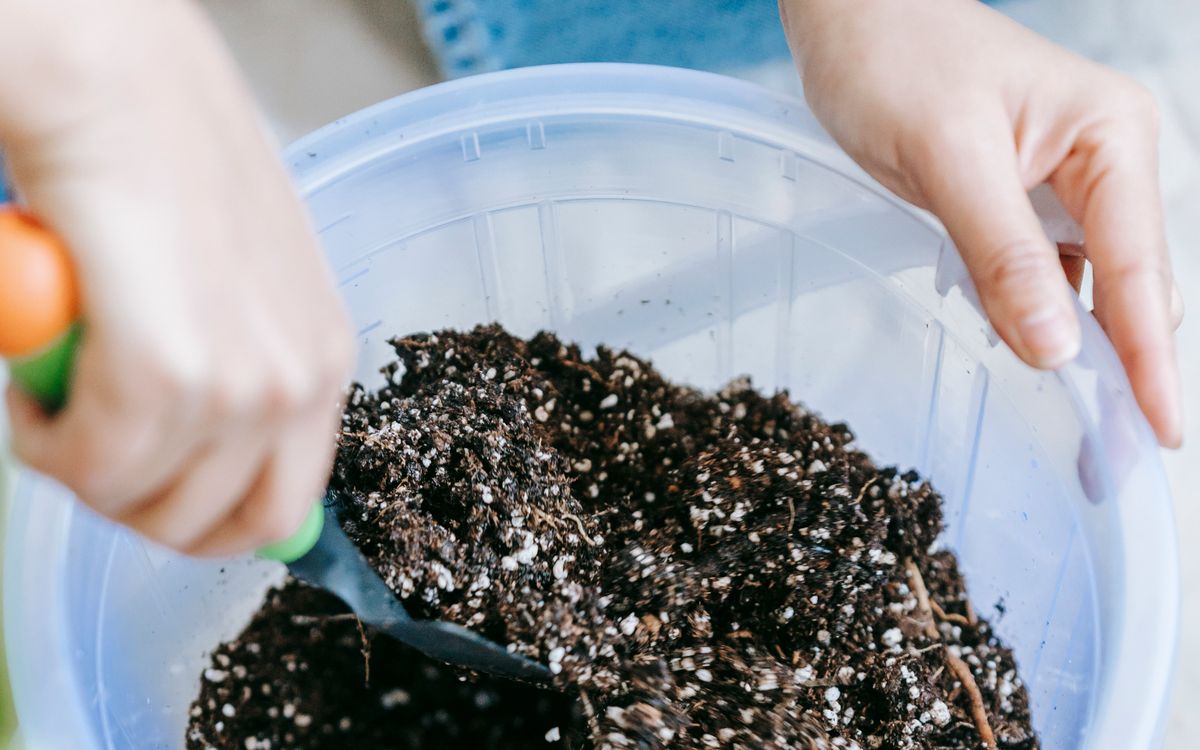
The point of a container mix is to hold water in small pores and air in larger ones after excess water escapes. Heavy mineral garden soil can compact significantly in a pot and hold too little air after watering. Use a quality potting mix suited to the plants. Some plants, including several drought-tolerant herbs and succulents, can benefit from a mix that contains additional coarse horticultural material. Others, including many leafy vegetables in active growth, need enough moisture retention to bridge a hot afternoon. A coarse amendment should be blended through the mix in quantities appropriate to the material and plant.
A layer of stones at the bottom often leaves the dampest part of the mix higher in the pot. At the boundary between fine mix and large pieces of gravel, water does not pass as readily as many gardeners expect. The layer consumes root space and adds lifting weight. Start with a suitable mix all the way down and preserve the open exit. If a pot is far too deep or large for a young plant, selecting a better matched container gives you more control than filling the lower part indiscriminately. Root growth and water demand change as the plant matures.
Tell an empty saucer from a full reservoir
A saucer catches ordinary runoff and can protect a surface, but water standing in a saucer can keep a pot wet from underneath. Empty the saucer promptly, or use a design that leaves the pot base above temporary runoff. A self-watering container works differently. It has a separated reservoir, a means for water to wick into the growing area, and an overflow that prevents the whole root zone being submerged. Make sure its overflow is open and follow the instructions for the specific pot. A standard cachepot with residual water at the bottom does not offer the same control.
An indoor decorative cover pot can become an outdoor problem after a shower. If the inner pot is a tight fit, the water level may rise unseen. Lift the inner pot out to water and drain before replacing it. Where you are unlikely to be around after strong rain, an openly draining planter may save more work. If the cover pot is heavy or breakable, test the handling with the inner pot empty first. You should be able to lift it safely by a secure rim.
Troubleshoot an established pot gently
Suppose a container has worked for two seasons and now stays wet longer. Look at the bottom from the outside. Roots can grow through a hole, windblown debris can block the exit, and a previously clear footing can sink into wet soil. Move a manageable pot onto an open firm surface and see whether water drains. If you can lift the root ball safely, check the outer roots. Healthy roots are generally firm. A sweet or rotten smell, blackened root tips, and tissues that slip away under gentle pressure suggest trouble. Root colors differ among species, so texture and widespread decline matter as much as color.
For a mild blockage, clear the exit and allow the pot to settle under suitable conditions. In a severe case, move viable roots into fresh mix and a clean pot of appropriate size if the species will tolerate the disturbance. Clip obviously rotted tissue with clean tools where practical. Avoid moving a stressed plant into an oversized pot full of mix it cannot use. When suspected disease is the cause, isolate the container, discard contaminated mix appropriately, and clean equipment so runoff and tools do not transfer it to healthy neighbors. Check the other plants that shared the same saucer or bench.
Restore moisture to a dry core
A peat-based mix and some other organic blends can repel water when very dry. The plant may wilt despite visible runoff. Break the watering into several passes, giving the surface time to accept each pour. Direct the water toward the roots and across several areas rather than hitting one spot continuously. A small nursery pot can sometimes be bottom-watered briefly in clean water until the growing mix takes up moisture, then removed and drained. The process should rewet the mix, not leave the roots soaking for hours. Avoid sharing water among pots if you are concerned about plant disease.
After the next regular watering, check the bottom and the center again. Make a physical comparison between the weight of a drained pot and its weight when a new watering is actually needed. Lifting is impractical with large ceramic containers, so use observations from the root zone, the time since the last thorough soaking, and the plant's growth. A wooden skewer pushed briefly into a clear section of mix can reveal dampness deeper down, as long as you do not use it to probe densely packed roots repeatedly.
Apply the same test to a few contrasting pots
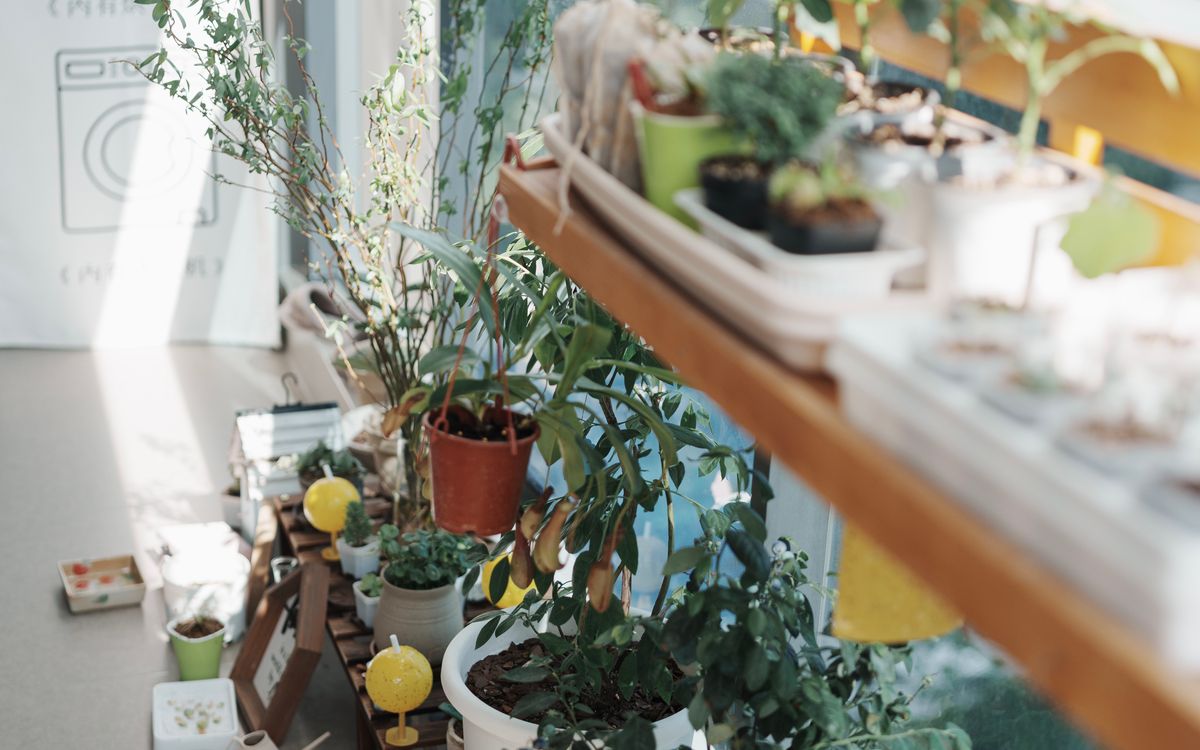
Try testing a rosemary pot, a leafy annual container, and a strawberry trough immediately after watering. Rosemary favors time for air to return around its roots. The leafy annual can have greater demand in full sun and benefit from a mix that holds moisture evenly. A strawberry trough needs consistent moisture while fruit fills, but surplus still has to leave. All three should release excess water. They do not need to retain the same amount. Check the three the following afternoon and you may find that the annual needs attention first even though its soil felt the wettest on the previous day.
If several pots are difficult to manage, change one source of the difficulty at a time. Raise the ones whose outlets are sealed against a slab. Deal with the blocked container separately. Repot the container whose mix has disintegrated or become unworkable. In an otherwise healthy pot, unnecessary disturbance can set the plant back. Keep the small improvement that actually changes how long the mix remains wet.
Use pot height to understand the wetter zone
Two pots filled with the same blend can drain freely while retaining different proportions of wet mix. With an equivalent outlet, a shallow vessel can hold a greater fraction of its mix in the lower, wetter region than a taller one. For a plant that dislikes persistent moisture around its roots, a deeper compatible container may be easier to manage than a shallow dish. Test the combination of shape and mix before repotting several plants.
Leave the system easy to inspect
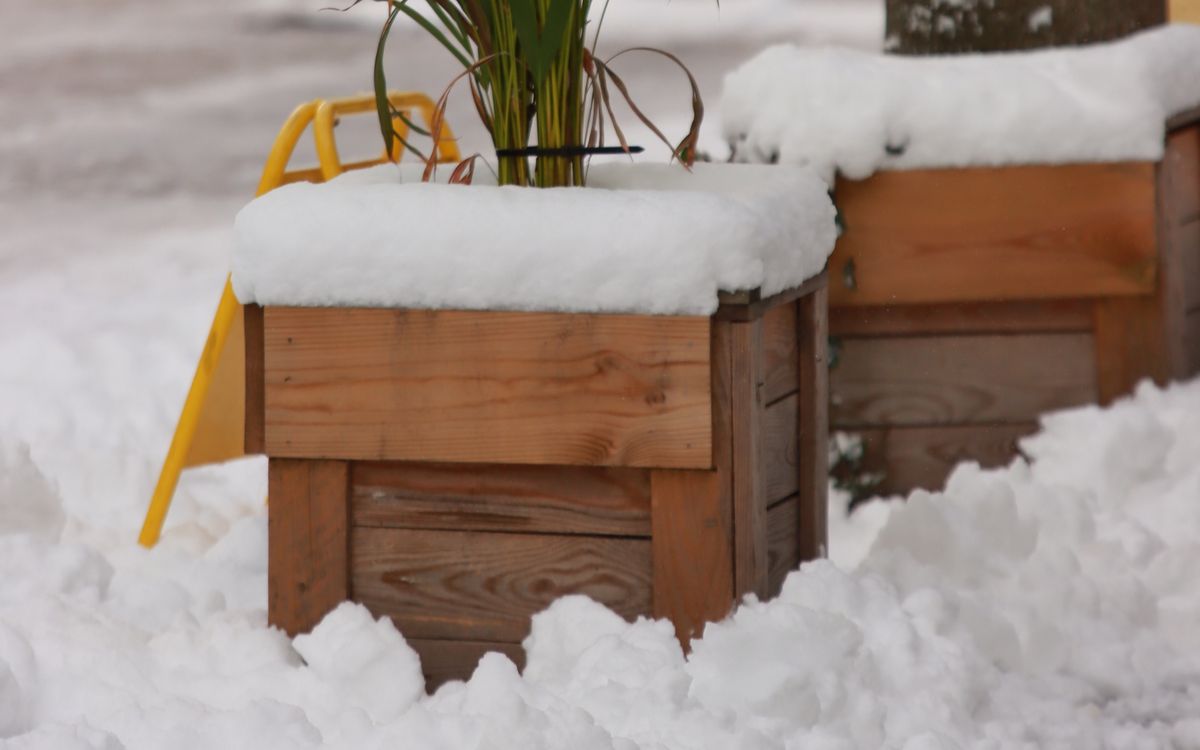
At the start of the growing season, look at each outlet before the canopy hides it. After expanding a planting, reroute water so you can still see where it leaves the pot. Watch what happens in the first heavy rain. This catches some issues that a light hand-watering run will miss. After winter, check for cracks if the pot is made of a material that can split when water freezes. Some damage is harmless cosmetic wear. A pot that has lost structural support needs attention before it is moved full of wet mix. A sound drainage system lets you read most of what matters from one watering and one look underneath.