Outdoor Growing
What to Do With Outdoor Pots Before Winter
Make a winter plan for planted containers by sorting hardy and tender plants, protecting exposed roots, and keeping drainage open through repeated freezes and thaws.
7 min read
Identify what is actually planted
Walk through your plants before the first hard freeze and find labels while you can still distinguish each plant from its neighbors. A short green shrub may be more cold hardy than another one of similar appearance. Look at the species, cultivar, local climate, and how prolonged cold usually is. Treat a perennial's in-ground cold tolerance as a starting point. A pot can freeze from every side, and roots are often less cold tolerant than the stems. A container on an exposed step may encounter sharply different conditions from the same plant in a garden border a few meters away.
Separate the plants into groups based on what they need to stay viable. Some hardy plants can remain outdoors with the right pot and position. Some need a colder sheltered environment that buffers sudden lows without forcing them into growth. Tender species may need a genuinely frost-free location and suitable light, or may be better replaced seasonally if shelter is unavailable. Annual plants that have finished their natural cycle can usually be removed. Clean up the site while you can still work without frozen handles and heavy slabs of ice.
Decide how the plant will spend its resting months
Hardy dormant perennials and shrubs may do well in a cool sheltered location where their root zones avoid the most extreme cold. Unheated structures vary considerably. A garage with no light may be useful for certain fully dormant plants if its temperatures remain suitable, but evergreen foliage usually needs light and air. Use a thermometer to find out whether the location stays within a reasonable range. A warm living room can pull a plant out of dormancy into weak growth that will be difficult to manage before spring.
Tender plants with living leaves need a bright enough location and separation from indoor plants at first if pests might travel with them. Check the undersides of leaves, crevices, and the surface of the mix before moving them. Rinse or clean the plant as appropriate outside, and inspect it again after several days. Some tender plants can be stored as dormant roots or tubers following species-specific guidance. Correct curing, temperature, and moisture requirements are different for dahlias, tuberous begonias, and geraniums. Do not assume a single storage method suits every plant because their stems look alike when cut back.
Protect the roots and keep the outlet open
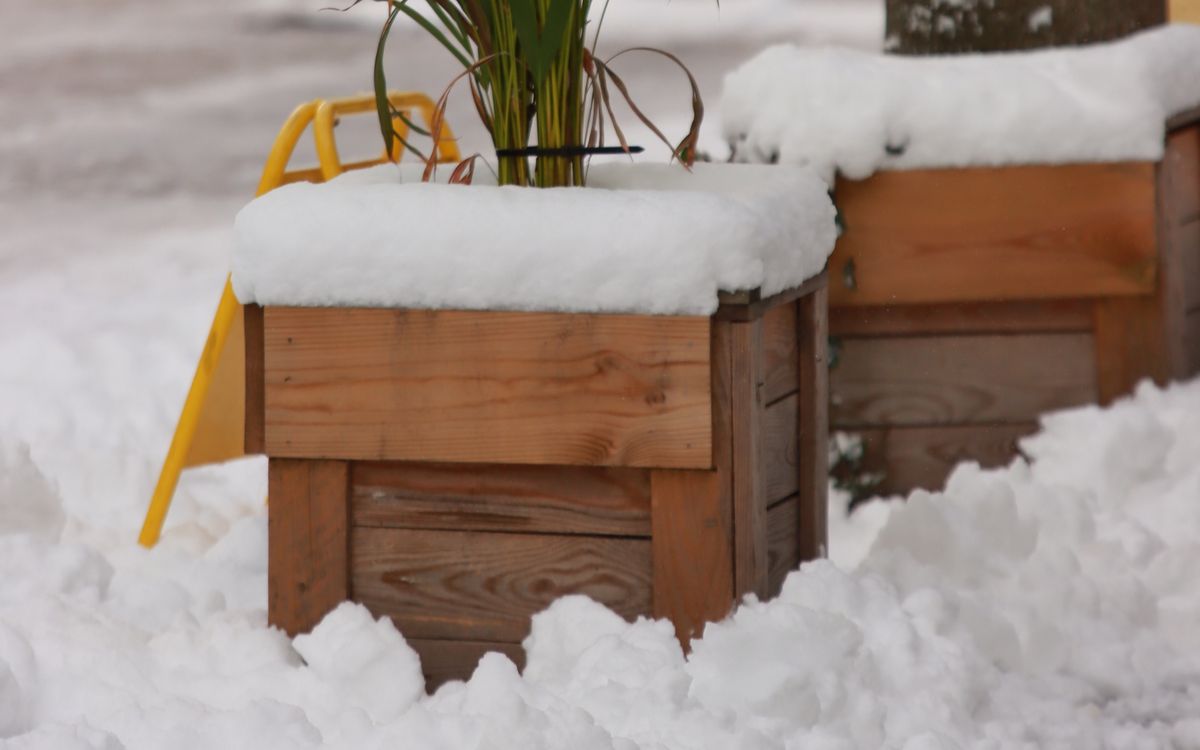
If a cold-hardy plant will stay outdoors, begin by moving the pot away from exposed winds and sharp swings in temperature. A protected side of a structure can help, especially if it keeps a repeated freezing wind away from the pot. Group several stable pots to reduce exposure around their sides, leaving room to see and water them. Depending on the climate and plant, an insulating wrap around the pot or temporary insulation around grouped pots may buffer the root zone. Set it up so it stays put and can be checked easily, and keep insulation clear of drainage outlets.
Where a suitable garden is available and the pot can tolerate it, some plants can be heeled into the ground for winter, with the surrounding soil insulating their roots. Choose a well-drained site and plan to lift the pot in time before roots extend through the opening. This option is impractical on a balcony, where you might instead choose a better-insulated container or cold storage. Keep heavy pots within approved load limits, leave all exits clear, and do not rely on loose materials that can blow away.
Check the container itself for weak points
Water expands as it freezes. An unglazed terracotta pot or another container not rated for winter may crack if it absorbs water or traps it in the lower section. If the pot is worth keeping and not frost resistant, transfer the plant when species and timing permit, then clean and store the empty vessel. Even containers described as frost resistant can fail when held full of standing water. Clear the lower holes and raise suitable pots on stable feet so the outlet stays open. Remove removable saucers when they would trap water, and avoid creating a runoff problem on walkways.
If you are leaving a self-watering container outdoors, read the manufacturer's winter instructions. An enclosed reservoir can hold enough water to damage a fitting as it freezes. Some designs allow the reservoir to drain, while others need storage in a protected location. Give timers, wands, and vulnerable hoses similar attention after your last outdoor watering. Move breakable accessories indoors if that is their recommended storage. Find out which pots can safely stay full before you start wrapping them or grouping them by a wall.
Manage winter moisture with small checks
Dormant plants often need much less water, yet roots in sheltered pots can become dry during extended cold weather. A chilly, rainless month under an overhang gives a very different moisture balance from weeks of heavy rain. Check the mix when it has thawed enough to be assessed. Water appropriately if it is genuinely dry and time the watering so excess drains while temperatures permit. Do not pour water into a frozen pot or wet the compost based on the calendar alone. Excess moisture in cold soil can cause long-lasting problems for plants with high drainage needs.
Evergreens continue losing water through foliage, especially in wind. When roots are frozen, leaves cannot readily replace the moisture they lose. Sometimes shielding a plant from strong drying winds is more useful than wrapping the top with a heavy cover. For regions where deicing salts are used, avoid placing pots near road splash or where salty snow gets piled. If foliage dries or bronzes, note where the injury occurs and wait for warmer weather to assess which stems are sound. A late winter move can help if the problem is ongoing and the container can safely be shifted.
Work through three typical pots
Consider a frost-tender ornamental in a decorative ceramic container. Separate the nursery pot from the outer vessel if the inner pot can be lifted. Bring the plant to the light and temperatures it needs, then empty, clean, and store the decorative pot. This keeps the plant alive without requiring its container to survive outside. In a sufficiently cold region, even a short night can damage tropical foliage. Moving it ahead of forecast cold leaves time to inspect for pests and decide where it fits.
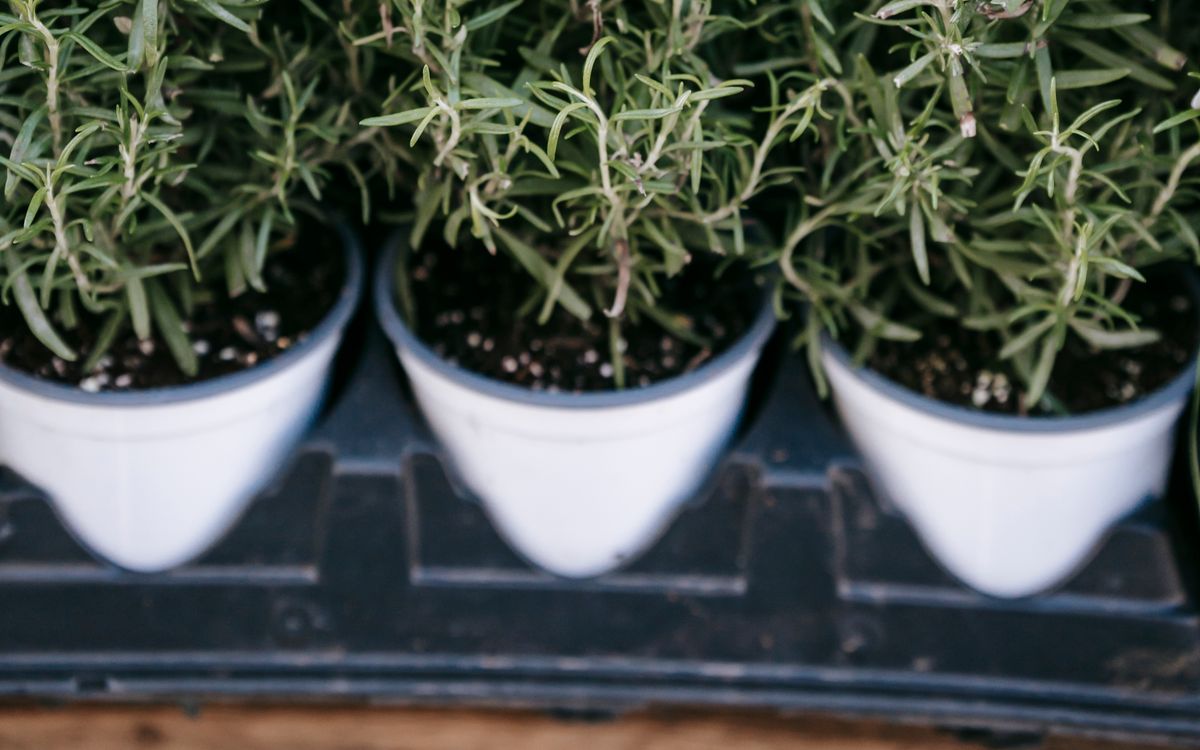
A dormant hardy hosta on a sheltered patio has a different plan. Leave a label in the pot when the leaves disappear. Shelter the container, ensure its bottom drains, and protect the roots according to the cultivar and climate. Check periodically for prolonged dryness when the mix is thawed. Then compare a potted rosemary that has stayed green. It still requires useful light and good drainage. An unheated bright shelter may suit it if temperatures remain within its tolerance. A dark garage that works for the dormant hosta may leave the rosemary in poor condition. Sort plants by dormancy as well as frost tolerance.
Keep winter work visible and manageable
Mark each cluster with the plants inside and mark any type that could be overlooked when dormant. Place pots that need occasional moisture checks near an entrance where you can reach them without lifting cold or wet containers. Give larger pots a stable floor and an unobstructed route so you can move them before a sudden weather change if they are designed to be moved. If you cover pots, recheck them after wind and heavy snow. Clear unstable accumulations as appropriate without breaking the plants. Closed, poorly ventilated structures need monitoring during unexpectedly sunny warm days.
Do not set up protection that depends on weekly lifting if the pots are too heavy. For a particularly exposed garden, replace a small set of hard-to-protect containers with sturdy pots and plants suited to its regular winter lows. A system that can be inspected when the weather is unpleasant will give more reliable results than a complicated one maintained only on the first dry afternoon of the season.
Keep an eye on an unexpectedly mild stretch
Several bright afternoons can warm a sheltered pot enough for some plants to begin growing. If the forecast then turns sharply colder, fresh shoots may be more vulnerable than the older growth. Give protection appropriate to the species and remove temporary covers when conditions improve. A thermometer near the pots helps explain why two plants under the same forecast woke at different times.
Return plants to open conditions gradually
When winter ends, resist taking all the protection off at the first warm spell. Check local frost forecasts and ease plants back into their full season site. Leaves that developed under shelter can scorch in a burst of full outdoor sun. Give living foliage several steps between dark winter conditions and the usual position. After severe cold has passed, look for new growth to confirm which branches survived. Remove genuinely dead material with clean tools once timing suits the plant. Wait before repotting a stressed plant unless drainage failure or damage makes it necessary.
Put dormant containers in their normal positions once the roots can use the moisture there and their new growth can handle the forecast. Resume watering as each plant wakes up and uses more rather than exactly when it leaves storage. Record one or two useful details, such as whether the protected step remained dry all winter or which pot froze despite insulation. Those observations are a practical planting guide for the next winter, especially in a place with rapid changes between thaw and frost.