Outdoor Growing
How to Grow Lavender in a Container
Give potted lavender enough sun, a mix that drains after rain and well-timed pruning so it can flower without sitting in damp soil.
7 min read
Choose lavender for the season it will spend outdoors
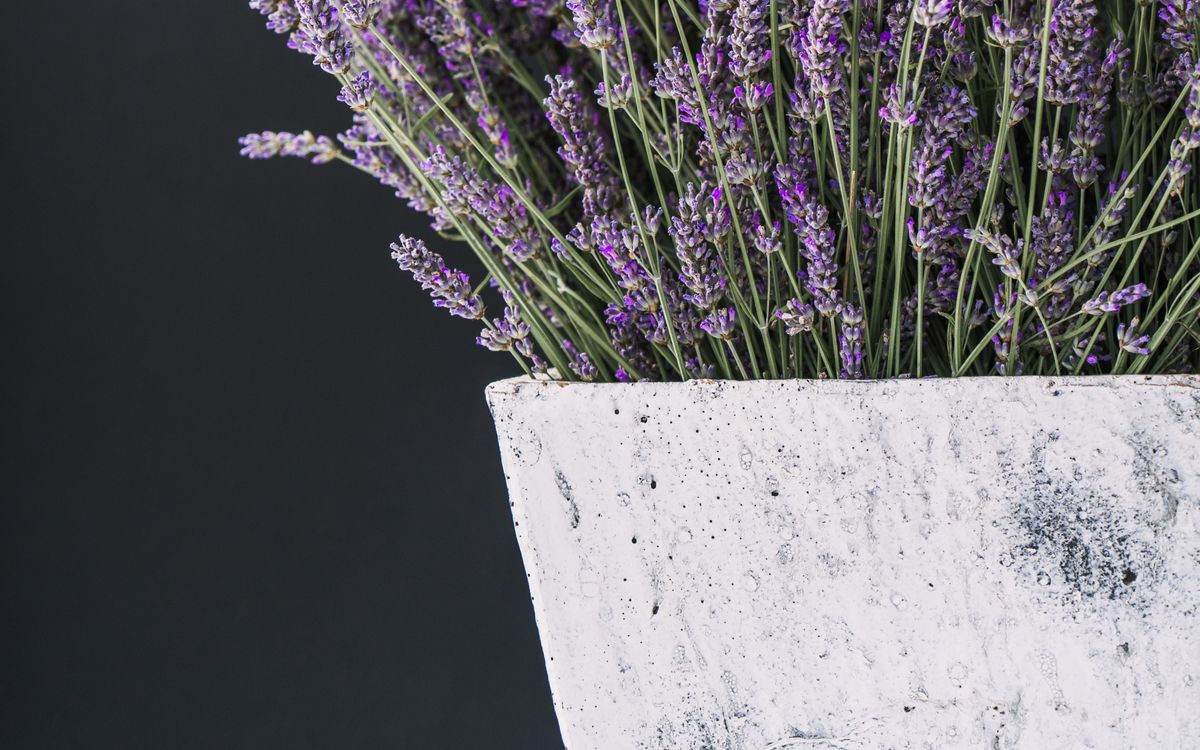
Lavender at a garden center is commonly sold in flower, so the first thing you see is a dense dome of bloom. Turn the pot around and look for the label. English lavender and many English lavender cultivars are often a suitable starting point where winters are cold, subject to the cultivar's hardiness and the added exposure of its container. Lavandula stoechas, commonly called Spanish or French lavender in different regions, has prominent bracts on its flower heads and is generally less cold hardy. Lavandin can grow large and vigorous, which matters when pots have to fit through a doorway.
Check whether the proposed position receives direct sunlight. A sunny brick step can stay warm into the evening. A patio that looks bright in late spring may be shaded by a tree once the leaves fill in. Spend a day noting when an object beside the proposed plant casts a distinct shadow. A position with a useful stretch of direct sun is the best starting point. Where evenings are humid or summer rain hangs around for days, choose an open location with airflow and protect the pot from persistent saturation.
Select a pot that matches the root ball
Lay out the pot, plant and fresh mix before you begin. Choose a pot modestly wider than the root ball with unobstructed drainage holes. A small plant swimming in a large volume of slow-drying mix can stay wetter for longer than its roots can tolerate. At the same time, lavender in a tiny nursery pot may need more water than a gardener can supply during a hot week. Look for a workable middle ground: room for roots to grow, plus a container you can still move if spring rain becomes relentless.
Unglazed terracotta dries through its walls and adds weight, making it a useful option in some climates. It can crack in freezing weather when saturated, and in hot, dry conditions it may need more frequent checking. A plastic or glazed pot dries more slowly. Give either design open drainage and a way for water to escape when it stands on a flat surface. If you need a saucer to catch runoff, empty it promptly. A decorative outer container can conceal standing water, so lift the inner pot and check after every thorough watering or rain.
Make a mix that drains throughout
Use a suitable commercial container mix as the base. If it stays sticky and dense after wetting or the position receives plenty of rain, incorporate coarse horticultural grit, perlite, or pumice into the mix to increase air space. The appropriate amount depends on the starting material. Wet a small sample in a spare pot, check how freely water exits, and crumble a handful after it drains. A mix that remains slick and holds a dense lump deserves adjustment before you commit the plant. Avoid fine sand that would pack the available spaces, and resist tipping heavy ground soil into a pot.
Do not rely on a layer of gravel under the root zone to drain a pot. Water can stay in the mix above the change of texture. Maintain a well-aerated mix from top to bottom and keep the outlet exposed. Fill to a height that places the crown at the same level as it stood in the nursery pot. Leave just enough space below the rim for watering. Lavender usually needs modest fertility. An overly rich mix and frequent fertilizer can give soft growth at the expense of a compact shape.
Plant with the crown clear
Water the nursery pot if the root ball is dry enough to crumble. Slip the plant out and inspect it. Pale firm roots around the edge are normal. Tease any tight outer loops gently, giving the roots a chance to extend. Replace a plant with an abundance of dark mushy roots or a soft crown if you have a choice. The chances of a clean start are much better with a sound crown and healthy root tips.
Set the plant on enough mix to keep it at its previous height. Add fresh mix around the sides, firm it with your fingers, and water once to seat the mix. If watering lowers the surface slightly, top it up around the root ball, leaving the stems clear. A light dressing of coarse grit can keep splash off low stems if the pot drains properly. Keep an air gap near the crown. Dark, moisture-holding mulch packed up against the base makes it difficult to judge moisture and can keep woody tissue damp.
Read the pot before reaching for the can
Newly potted lavender needs checking more often than an established plant. It has limited access to the surrounding mix until roots spread. On a sunny day feel the moisture several centimeters down near the root ball. If the mix is drying enough to warrant watering, soak the root zone and let the pot drain. Avoid a succession of tiny splashes that dampen the surface while the lower zone remains dry. Establishment watering can decline as roots spread into the new mix and the pot begins to dry more evenly.
Grey leaves are normal in many lavenders. An overall slump needs another clue. Wet, sour mix or darkening at the crown points toward poor root conditions. A noticeably lighter pot with dry mix well below the surface points toward thirst. If the weather was just warm at midday and the plant perks up by evening, check again before adding water. Follow how the plant responds to one measured adjustment instead of changing fertilizer, location and watering together.
Trim while growth can recover
Remove finished flower stalks for tidiness once their color is gone, or leave a portion for insects if flowers are still being visited. Take a light trim through leafy green growth after flowering in appropriate conditions. This encourages a rounded outline and helps prevent a container plant from splaying in the middle. Locate living leaves below each cut before you start. Most lavenders are unreliable at pushing new shoots from old, bare wood. A deeply cut woody mound may remain bare for the rest of the season.
In a cold climate, keep substantial pruning away from late autumn when tender growth would meet frost. In spring, wait until harsh cold has passed and you can see where new shoots are breaking. Remove genuinely dead tips and shape lightly as needed. If an older plant already has a heavy woody base, prune small sections to distinguish vigorous stems from unproductive stems. You can start a replacement from suitable nonflowering cuttings during active growth while continuing to enjoy the current plant.
Plan for winter rain and cold
Containers experience colder, faster temperature changes than roots in the ground. Choose a cultivar with enough cold tolerance for your site and protect it as needed. A sheltered position under an overhang can limit repeated soaking while retaining airflow and light. Where pots freeze hard, insulate the sides or provide a sufficiently cool, bright place protected from the worst cold. Drainage holes still need a clear path. Pots sealed up under plastic often trap water and condensation, so check any winter protection after persistent rain.
Cold hardy lavender can look subdued during winter and still be healthy. Check the moisture lightly during dry, unfrozen stretches and water sparingly when it truly needs it. Avoid warm living rooms that encourage weak growth during short days. A tender lavender that you are actively protecting from frost needs enough light for its leaves and enough air movement to stay dry around the crown. Reintroduce plants to strong sun gradually if they spent a long time indoors or under a dark cover.
Compare two flowers before buying a second plant
A shop display can hold short-stemmed English lavenders next to tall lavandins, all looking equally compact because their young roots are in identical nursery pots. Ask how wide each will be after several seasons, and sketch that width on the paving. If tall flower stems would lean across a busy route, a shorter cultivar can preserve access without repeated pruning during bloom. A wider plant may also shade its own lower branches if you squeeze it behind the next pot. Leave enough lateral space to see the entire crown while you water. The plant is easier to inspect when you can reach more than one side.
Work through common disappointments
If you get plenty of soft foliage and few flowers, measure the hours of direct sun again and review feeding. If a pot has always felt heavy and stems blacken near the base, give attention to root condition and drainage. When central branches fall apart after years of growth, review how much green foliage remains on those branches. A new plant can sometimes make better use of the container than a severe attempt to rejuvenate old wood. Lavender lifespan varies with species, pot conditions and weather, so judge the plant by its growth rather than a fixed number of seasons.
A plant that is still comfortable in its container can stay there while you make small changes. Replace the uppermost exhausted mix without covering the crown and use fresh mix around the root ball when a move to a larger pot is needed. Keep the plant where you can touch the foliage and reach the drain easily. Knowing how your pot behaves after a storm and after three sunny days makes more difference over time than buying a special product every spring.