Outdoor Growing
Plant a Balcony That Pollinators Can Use
Choose container flowers that give local pollinators food across the season, with planting ideas for sunny balconies, sheltered patios, and places with limited floor space.
7 min read
Start with the insects that already pass by
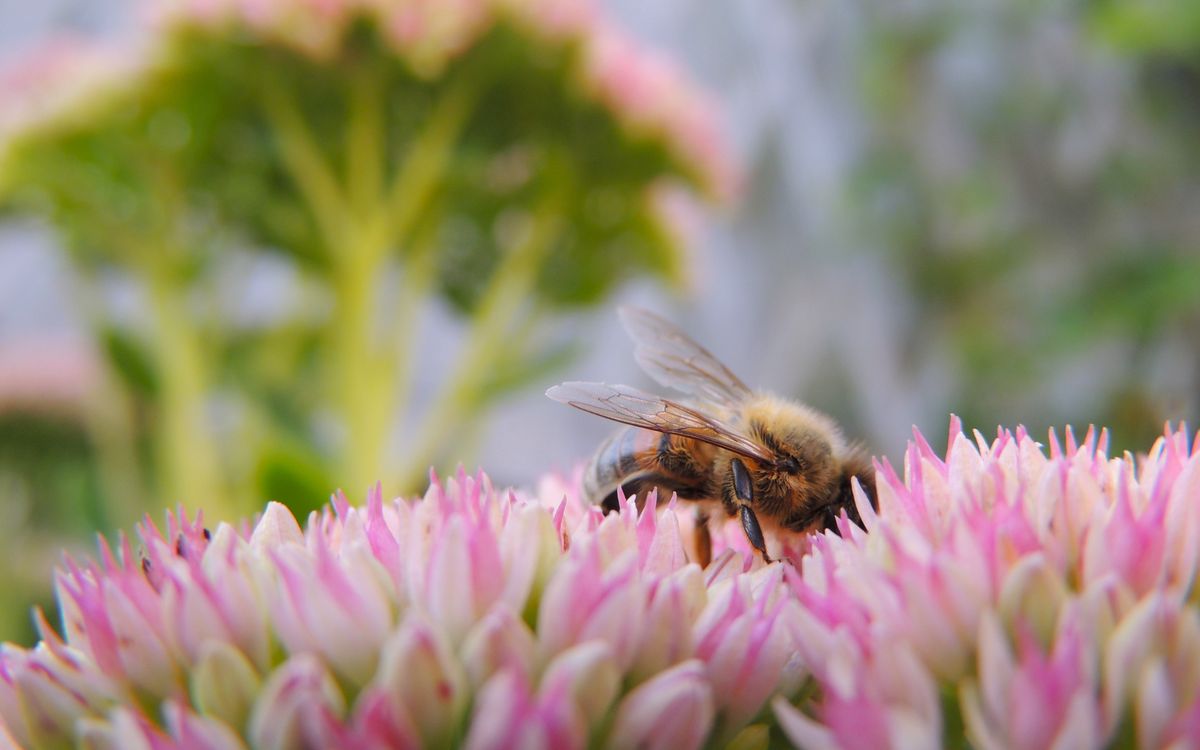
A bee-sized visitor over a railing can be a wild bee or a hoverfly. A butterfly may spend a surprising amount of time investigating a wall before looking at a flower. The early question is whether you see any visitors at all and where they pause. Spend several quiet minutes beside an existing plant on a warm, calm day, once in the morning and once later. If you can see street trees or gardens from the balcony, note when their flowers are in bloom. They tell you something about the season in your neighborhood, even if a weather app suggests the annual timetable should be further ahead.
A pollinator garden on an upper floor cannot change the whole landscape. It can contribute small patches of food and sometimes shelter. Watch for visiting insects before investing in a set of specialized containers. An exposed balcony may be visited mainly when the wind lets up. A sheltered corner next to another garden can see more activity than a higher, isolated spot. Those differences help you decide where to put the first few flowering plants and how much year-round space to give them.
Choose flowers that open access to food
Many insects can use simple, open flowers where nectar and pollen are easy to reach. A double blossom with an elaborate center may bear little accessible pollen and nectar. Compare cultivars while they are in bloom and notice which ones insects visit at the nursery, assuming conditions are calm. Small flowers collected in flat heads suit some short-tongued insects, while tubular blooms support visitors able to reach into them. Plant several small groups, not just a succession of single stems dotted along the edge. A visitor that finds the first bloom can then move to the next in the same area.
Look first for plants native to your region and suited to container culture, or familiar pollinator plants that local guidance considers appropriate. A list of native flowers from a different country will not necessarily suit your conditions. Ask which plants enjoy the light you have and whether they need more root room than you can offer. Avoid invasive species from old plant lists even if an insect can feed on their flowers. A useful combination might have one local spring flowering perennial, a compact summer flowering herb, and a late plant whose flowers are carried on sturdy stems.
Build the calendar around gaps
Spring bulbs can make an early contribution, especially on a sheltered site that warms before the surrounding area. Pick species and cultivars suited to your climate and pot. Take care that the flowers are accessible to insects. Showy doubles can occupy valuable early space with little food on offer. Leave the bulb foliage to mature naturally after flowering. A separate nursery pot of bulbs placed in the front of the group during bloom can move to a less prominent position afterward without taking away from the plants about to open.
When summer herbs flower, let one section of each productive plant keep its bloom if you can spare the harvest. Thyme, oregano and chives offer quite different heights and flower shapes. In parts of the world where they are suitable, compact marjoram or a local low-growing daisy can bridge a lull between spring and later flowers. Late-flowering sedums, suitable asters, or a locally appropriate alternative can extend visits into autumn. Exact bloom timing depends on the plant, its pot, and that year’s temperatures. Record which actual weeks are quiet rather than relying only on dates from the plant labels.
Make good use of one sunny square meter
A small balcony with strong light and a protected corner can open with a low trough of thyme or a comparable drought-tolerant local plant. Put a second moderate pot of a compact, bushy flowering perennial beside it. Use a moveable third pot for whichever season has the most obvious gap. Start plants at their required spacing and leave a few centimeters of room to reach the front of each pot. A thirsty plant next to drought-tolerant herbs is easier to care for in its own pot than in the shared trough. Match the mix and watering to each.
Keep the tops below the strongest wind where practical, especially when flower spikes are tall. A vigorous afternoon gust can finish bending stems that survived a week of mild winds. Select short forms or use secure supports permitted for your building. All pots should be inside the railing, stable, and within rated load limits. Make room for access before allowing plants to spread. There is no benefit in creating a planting you can water only while leaning uncomfortably across it.
Find flowers for shade on an open patio
Light shade does not eliminate pollinator plants, though you may have fewer workable choices. Check whether the space gets an early shaft of sunlight or hours of unobstructed sky. In a suitable temperate climate, flowering plants such as some heucheras, hardy geraniums, or shade-tolerant native woodland species may fit an open, sheltered patio. Search by the conditions at ground level, where the roots stay cool compared with a sunny balcony. Contact a local plant organization for native species if the usual sunny lists do not apply.
Some useful flowering species for shade need consistently moist mix. Place these away from the hot wall that traps a late square of sun and keep watering within reach. Space tall plants far enough apart that air can move, particularly where evenings are humid. Combine species that flower at different times and group them in the places each actually opens blooms. If new stems repeatedly reach sideways with few flowers, try moving the pot toward more open sky. Monitor the new leaves after moving it, since a plant that thrives in diffuse light can still scorch in strong afternoon sun.
Cut less and inspect more
Deadheading can keep some plants flowering longer, but a gardener chasing constant tidiness can remove a whole batch of usable blossoms. Watch a flower for a few days as the petals fade. If insects continue visiting, leave it until they move on. If you want to keep a herb producing leaves, harvest from the section intended for the kitchen and let a second section flower. Divide the harvest across plants if the pot is shared by several individuals. Once seed forms, decide which seed heads are useful to wildlife and which could spread beyond the garden.
Check the undersides of leaves and new growth if pests appear. Some aphids feed large numbers of beneficial insects. A modest colony that does little damage can give predators a chance to arrive. Handle a rapidly weakening plant individually. Physical removal, careful pruning, and adjustments to its conditions may be enough for certain pests. Where treatment becomes necessary, choose a method appropriate to the plant and pest and follow the label, including directions about flowers and pollinators. Avoid applying products to open flowers or spraying where the runoff could contaminate nearby containers.
Handle water and shelter in proportion to the space
Space and building rules may matter more than decorative plans. A water source is worthwhile only if it is stable and maintained safely. A very shallow vessel with landing stones may give some insects a place to drink, but it should be cleaned and refreshed regularly and never allowed to become a neglected pool. Water containers must not drip below or encourage mosquitoes. For shelter, insect groups differ considerably in what they use. A container with flowering plants throughout the season is already a useful focus, especially where nesting structures cannot be properly monitored.
In autumn, leave a few sound stems when they may provide seasonal habitat and the species allows it. Remove diseased material and clear the parts of the site needed for safe access. Some soil-nesting bees need exposed ground under conditions your balcony cannot reproduce. Look at the building and the existing landscape to see what your pots can add. A succession of blooms in a well-sheltered, otherwise bare location can be more useful than making room for a nesting feature you cannot maintain.
Observe without adding disturbance
Stand back from open flowers and watch for repeated movements between plants. Many visitors are easier to see when you remain still. A photograph taken from the same place can help you compare a plant's visits across two weeks without attempting to handle insects. If you share the balcony, keep the busiest flowers away from the area people regularly brush against.
Keep a record that guides next year's choices
Take one photo of your flowering group each month. On the same day, record the plants in flower, avoid counting every insect, and list which pots were hard to keep alive. If you see several visitors on one herb and none on a showier annual, watch each under comparable weather before reaching a conclusion. Time of day and temperature have an effect. Replacing a plant that repeatedly misses its local season is easier when you know the size of the real gap.
Imagine a courtyard that blooms well until early summer and then quiets while all its color comes from foliage. Keep the foliage plants that hold up the rest of the display and replace one annual with an appropriate local summer flower. Give the replacement a fair position and track what happens. Changes of that size avoid emptying the whole garden and allow more useful comparisons between years. The goal is for the planter to come into flower while insects can actually use it.