Indoor Plants
ZZ Plant Care Without a Watering Schedule
Learn how a ZZ plant stores water, why new shoots arrive in flushes and how to keep its rhizomes firm through changes in light.
7 min read
Find the plant's storage system
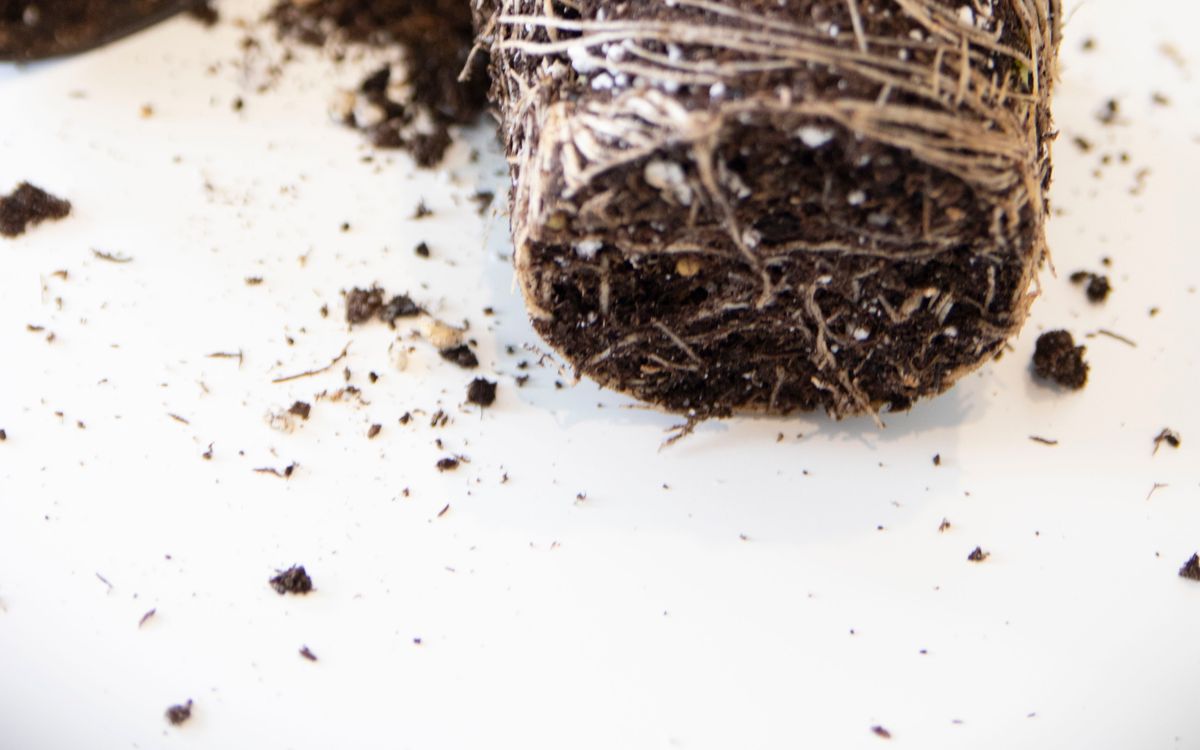
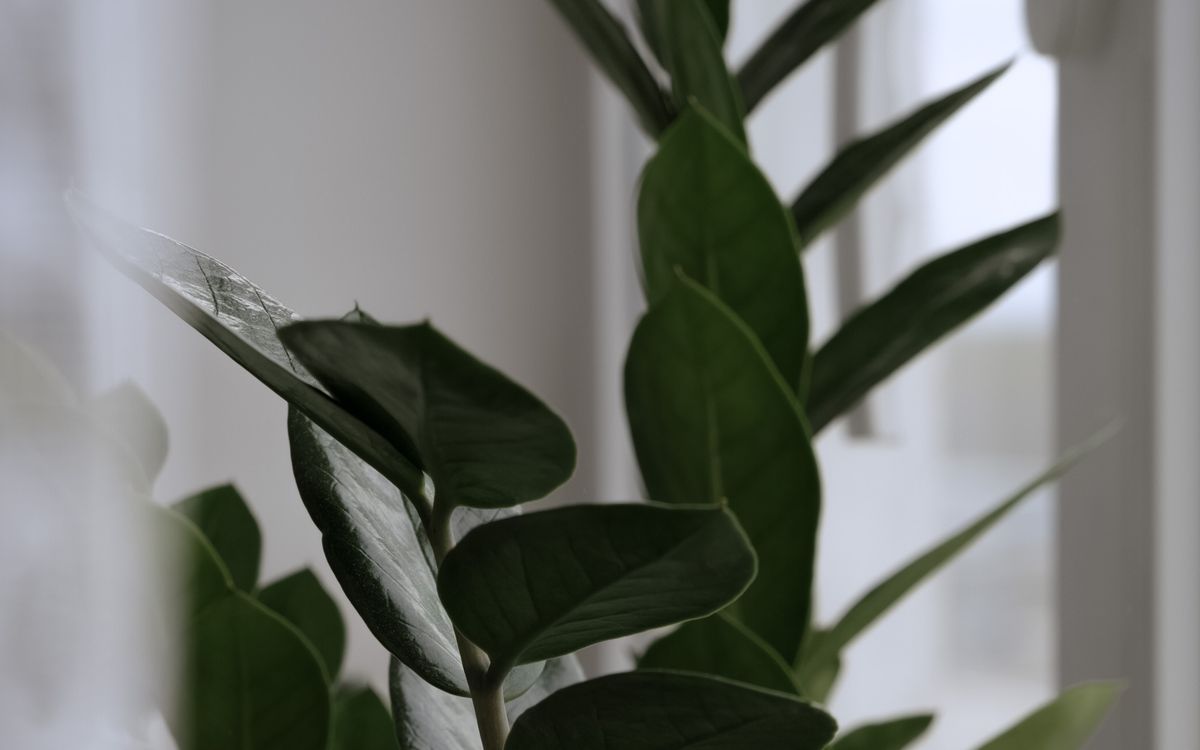
A ZZ plant looks like a bundle of glossy little branches. What appears to be a branch is a compound leaf, made up of a stiff central stalk and a row of leaflets on either side. The underground rhizomes are thick, rounded storage organs where the plant holds reserves. Seeing those structures during a repot explains why a ZZ can endure an interval without watering and why a dense, cold, continuously wet root ball can cause trouble.
When you purchase a nursery pot, check for sound stalks where they join the mix. A healthy ZZ has firm tissue at the base. Pale green at the top of a new spear is normal, and young glossy leaflets can look almost fluorescent before darkening. On a dark-leaved cultivar they may change color dramatically as they mature. A lowest old leaf can occasionally yellow, but several collapsing stalks in a pot that feels very heavy should prompt a closer look before it comes home.
Pick a spot for the rate of growth you want
Bright indirect light gives a ZZ more energy for new growth. It can stay presentable in a lower-light area, but a dim position often produces fewer shoots and longer gaps between flushes. Think in terms of a window's actual view rather than the name of the exposure. A window with a clear view beneath a balcony may still receive steady indirect light throughout the day. A closer window facing a wall or screened by a thick hedge can provide less.
A tabletop near a bright window often displays the leaflets without making the plant compete with curtains or lamps. Avoid a spot where stiff stalks are bent repeatedly by a chair. Use a stable pot so that a heavy arch does not tip the container. If an older plant has a naturally spreading shape, leave space for that habit. Crowding it into a vertical slot encourages you to tie or prune leaves simply because the room could not accommodate them.
If all the newer stalks lean strongly toward a single source, make a modest move closer to useful daylight. You can also rotate a reasonably balanced plant in small increments. Introduce direct sun gradually, if the permanent spot receives any at all. A shaded specimen may scorch after even a short period of intense sun through glass. Dry pale damage on the exposed side of a leaflet is a useful clue to reassess how much direct light it received after the move.
Water by observing the mix
The safest starting point is to let the potting mix become largely dry before thoroughly watering. In a small container, learn the weight when just drained and again when almost dry. Those two weights provide an everyday reference even when the surface looks similar. For a larger pot, feel below the surface or use a thin wooden skewer near the rim, steering clear of stems and thick rhizomes. If the lower part comes up with moist mix clinging to it, wait.
When ready, wet the mix across its surface and let excess water escape. Tip out any liquid collected in the outer pot. A heavy vessel without drainage may be useful as a cover, provided the ZZ is in a removable nursery pot. Leave enough space at the rim to grasp that inner pot without tugging the stalks. If you tend to forget to empty the cover, switch to a pot with an exposed saucer where standing water is visible from across the room.
A newly moved ZZ can dry at a markedly different pace. At a bright kitchen window with warm daytime temperatures, an established root ball may lighten steadily. The same plant may sit heavy for much longer at a dim desk. Some leaflets may also drop if the plant has run too dry for too long. When that happens, check the pot, then water if the mix is dry and the roots are sound. New routines work best when based on several checks in the new location. An interval remembered from a former apartment has limited value.
Choose a container around the rhizomes
Skip a repot if growth is healthy and the pot still has room. A little root visible at the bottom can be compatible with years of satisfactory growth. More persuasive signs include a plastic pot squeezed into an oval, a cracked wall or a thick cluster that lifts above the surface faster than you can keep the plant stable. If a rhizome has pushed against a narrow opening, you may need to cut away a flexible nursery pot to free the plant.
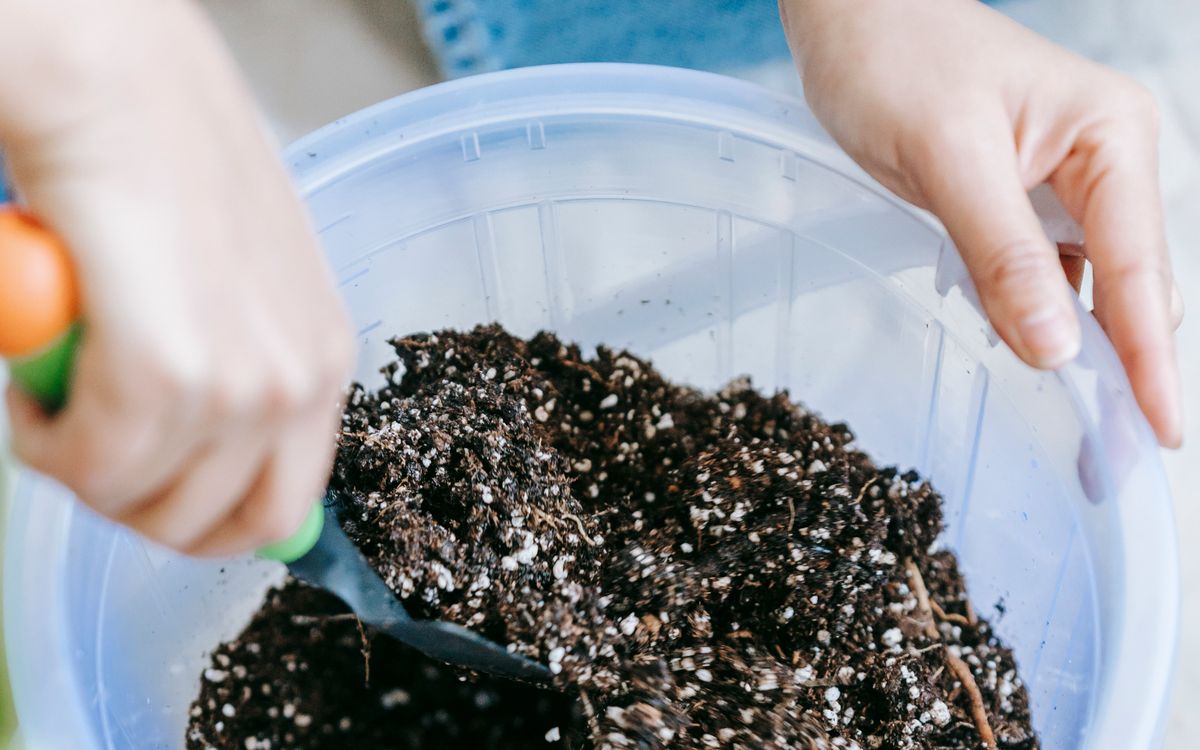
Move to a slightly larger pot with free drainage. For most indoor ZZ plants, a general mix improved with coarse perlite or a freer draining succulent blend can work. Look at the texture of the materials you actually have. Some fine blends sold for succulents stay wet in a deeply shaded room, and a very open blend may be a poor fit for a small terracotta pot in hot weather. Set the plant at approximately its former depth so the stalk bases are not buried under extra mix.
Water needs after repotting depend on whether the rhizomes were disturbed and how moist the materials already are. If a sound root ball slipped straight into a new pot without cuts, check the mix and water when appropriate. If you divided the plant and trimmed damaged tissue, use a lightly moist to dry, well-aerated medium and avoid soaking fresh wounds. Resume the normal dry-down routine once the divisions are stable. Fertilizer adds little while roots are adjusting or while the plant sits without adequate light.
Read a flush of growth correctly
A growing point can send up a thick, pale spear that lengthens before its folded leaflets open. A new compound leaf may temporarily sit lower or angle away from neighboring older stalks. Give it time to develop before tying it. Plants often expand in pulses with long intervals between them. A plant that spent winter apparently doing little and then produced several shoots together is behaving normally if the older foliage and roots stayed healthy.
An elongated new leaf with broadly spaced leaflets can mean it formed in weaker light. Newly purchased plants may arrive with a mix of leaf sizes because nursery conditions changed, or because their individual rhizomes are different sizes. Compare two new leaves made in your own room during a period of good growth before deciding the plant needs a different pot or supplemental feed. If the plant is actively growing in bright conditions, a modest application of a balanced houseplant fertilizer according to the label is usually plenty.
For a plant that bows heavily over one side, check whether stout stalks are arching under their own weight or drooping from damaged bases. A healthy arch has firm tissue along its entire length. Rotting stalks may buckle suddenly near the pot and detach readily. Inspect the root ball if the symptom spreads. Keep any firm cream or tan rhizome tissue and remove soft, dark material with a clean tool. If much of the plant has deteriorated, a sound piece in a small draining pot has better odds than a few surviving leaves stranded in the original volume of wet mix.
Propagate patiently or divide an established clump
Individual leaflets with their bases intact can make roots and small rhizomes in suitable propagation conditions. Waiting for the first shoot takes longer than waiting for roots. Leaves can stay green for a long time without producing one above the surface. If starting several, label the dates and choose a location with bright, filtered light and warmth. Use a clean rooting medium and keep it only lightly moist. The smaller the starting material, the less tolerant it can be of repeated disturbance.
Division gives a more immediate result when independent rhizomes and their roots can be separated. Leave a meaningful share of the stalks and underground tissue on both sides. A tiny division with a tall leaf may need a modest pot and brief support while it establishes. Handle sap carefully if your skin is sensitive and keep all trimmed parts out of reach of animals or children who might chew them. The plant contains irritating crystals, even though its common name suggests nothing about that.
A ZZ works well for a household that waters after looking. Learn the weight of its pot, keep an eye out for the fresh green spears, and allow a long pause when the room is cool and the older leaves are firm. Those observations matter more than any fixed number of days.
If dividing a crowded plant sounds appealing because of its size, look for a natural seam in the cluster first. The rhizomes may separate into independently rooted pieces with relatively little handling. When they all appear to be tightly joined, repotting intact and waiting for later expansion may spare healthy roots. A clean, quick cut through a clear junction is easier to recover from than multiple tears made by pulling the foliage apart.
Keep a rounded rhizome largely protected at the level where it previously grew. If the surface shifted during repotting, check whether a partly exposed section simply needs a little fresh mix around it. Adding a thick new layer over every stem base would make the upper pot slower to dry.