Indoor Plants
Spider Plant Care for Full Leaves and Healthy Plantlets
Grow a spider plant with an even crown, understand why tips turn brown and root the plantlets that hang from its long flower stems.
7 min read
Give an arching clump enough room
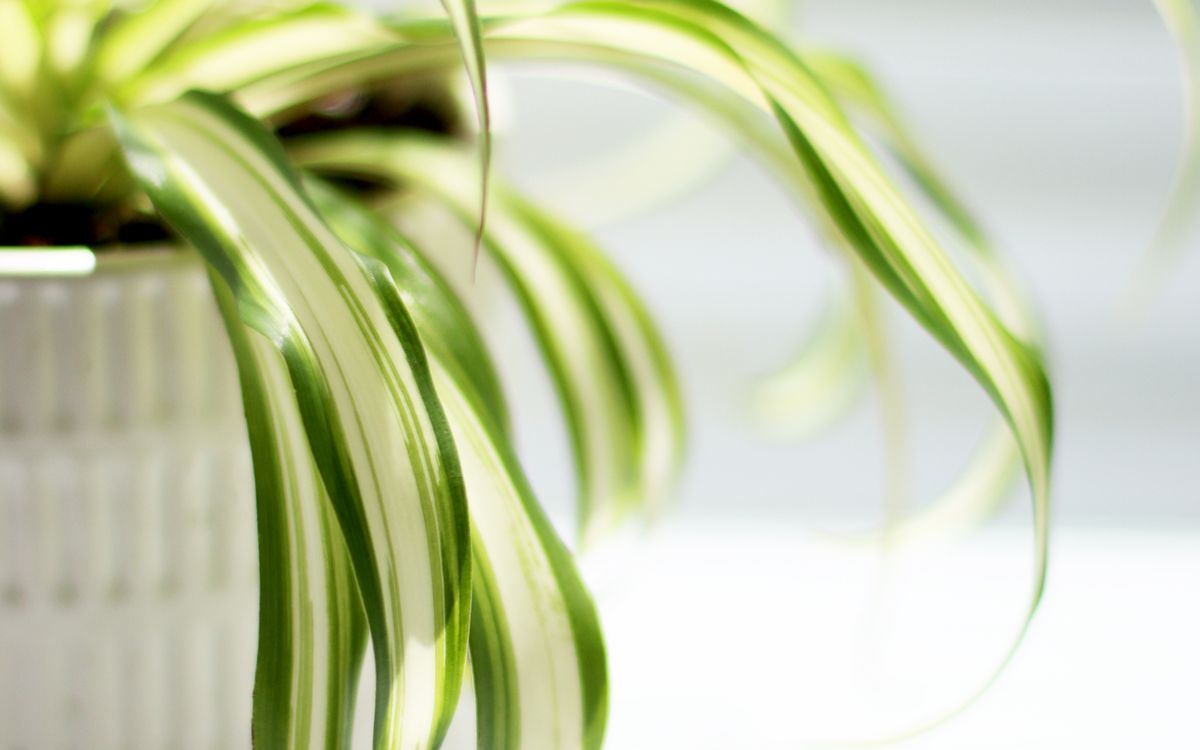
The spider plant, Chlorophytum comosum, earns its place near a window with arching ribbons of foliage and shoots that carry occasional flowers and small plantlets. Its leaves bend out from the centre rather than presenting a single upright face. In a narrow shelf space the newest leaves can get creased by the edge above, while a hanging pot may give them a clear circle of room. Plan its position around the full sweep of the leaves and the extra length of the stems that will develop below.
A spot with bright indirect light generally produces a compact crown and steady growth. Light morning sun may work if the plant is accustomed to it, but strong direct exposure can bleach foliage. Variegated plants often benefit from a brighter diffuse position. If a hanging plant is placed well above the top of the glass, the ceiling and wall may block daylight from reaching most of the foliage, leaving only the low tips well lit. Lower the hanging hook or move it beside the glass if that is what the room allows.
Take a step back before placing the plant beside a walkway. Old leaves arch and often flex back, but they do not withstand repeated bending over a door edge. A sturdy hook should be rated for the whole damp pot. A wire hanging basket with loose liner gaps can release water in unexpected places. Try watering over a bowl or sink before leaving the plant over wood or upholstered furniture.
Check water at the roots
The plant forms thick, pale, water-storing roots. That makes it more forgiving of an occasional dry interval than its slender foliage might suggest. It still grows with better balance when watered after the upper part of the mix dries a little. Check with a finger and lift the pot if possible. In a suspended container, test moisture by lifting it off the hook and feeling its weight rather than pulling down on the hanger.
Soak the mix thoroughly when it is ready. Allow water to exit and discard the runoff. An old dense root ball can channel water straight through without wetting well, and a pot tightly crammed with roots may hold very little usable mix. If the clump returns from the sink still curiously light, water again slowly after a few minutes. If the pot becomes dry much faster than its size suggests and the roots have formed a tight solid mass, check whether repotting is due.
A shallow decorative cover and a nursery pot with holes can work indoors. Get in the habit of lifting the inner pot to check for water after in-place irrigation. In winter or cool periods, a heavily rooted pot can remain damp in the centre for longer than the upper inch suggests. A deep container may need additional time between soakings. Keep the mix lightly moist for a newly rooted plantlet in a tiny pot, where the water reserve differs considerably from the parent plant's.
Investigate brown tips with a short trial
The brown point at the end of a spider plant leaf is often a clue about water quality or a change in care. Look for a dry tip on older leaves, areas of damage only on foliage against a window, and signs of concentrated salts near the pot rim. Several causes can overlap. A plant stressed by drought may already have been receiving fertilizer too often. A plant in strong light can grow vigorously and still show injury where soft young foliage touches hot glass.
Spider plants are sensitive to excess mineral salts and may show tip damage in response to fluoride in their water. Try rainwater, distilled water or another reliably low-mineral source through several watering cycles if water quality seems relevant. Ordinary filter pitchers are designed for different compounds, so do not assume the filter removes every dissolved substance. Avoid softened water if sodium was added during treatment. When the plant is growing and drainage works, a generous soaking that drains all the way through can help carry away excess salts.
If a tip has already dried, the leaf will not restore the affected tissue. You can trim the tip with clean scissors, following the tapered leaf shape and leaving a narrow dry margin if desired. Watch the newest fully open ribbon to test changes in water or feeding. If you make four care changes at once, an improvement cannot tell you which one was important. A modest trial with water source is easier to interpret when position, drainage and feeding are otherwise stable.
Check the base too. Several fading leaves accompanied by damp, stagnant mix may indicate a root problem. Widespread paling can also occur when the plant is far from a window or in an environment too cold for growth. A naturally light central stripe should have a consistent shape and feel like sound tissue. A dry irregular bleached patch in a formerly green area is a different symptom.
Work with the flower stems and plantlets
The long slender structures that emerge from a healthy crown are flowering shoots. Small white flowers may open along them before young spider plants appear. An office plant that produces fewer of these shoots may simply have a different light pattern from a plant next to a bright window. Age, growing conditions and day length can influence flowering, and individual cultivars vary. A compact specimen with steady healthy leaves can be doing well even if a hanging canopy of plantlets never appears.
Look under a plantlet for tiny bumps or emerging roots. One easy method keeps the baby attached while it gets established. Set a small pot of fresh, lightly moist mix below the stem and rest the base of the plantlet against it. A soft pin or simple bent plant tie can hold the shoot in place if it keeps moving. Avoid covering the leaves or burying the entire base. Once new roots give it a stable hold and fresh growth appears, cut the tether with clean scissors.
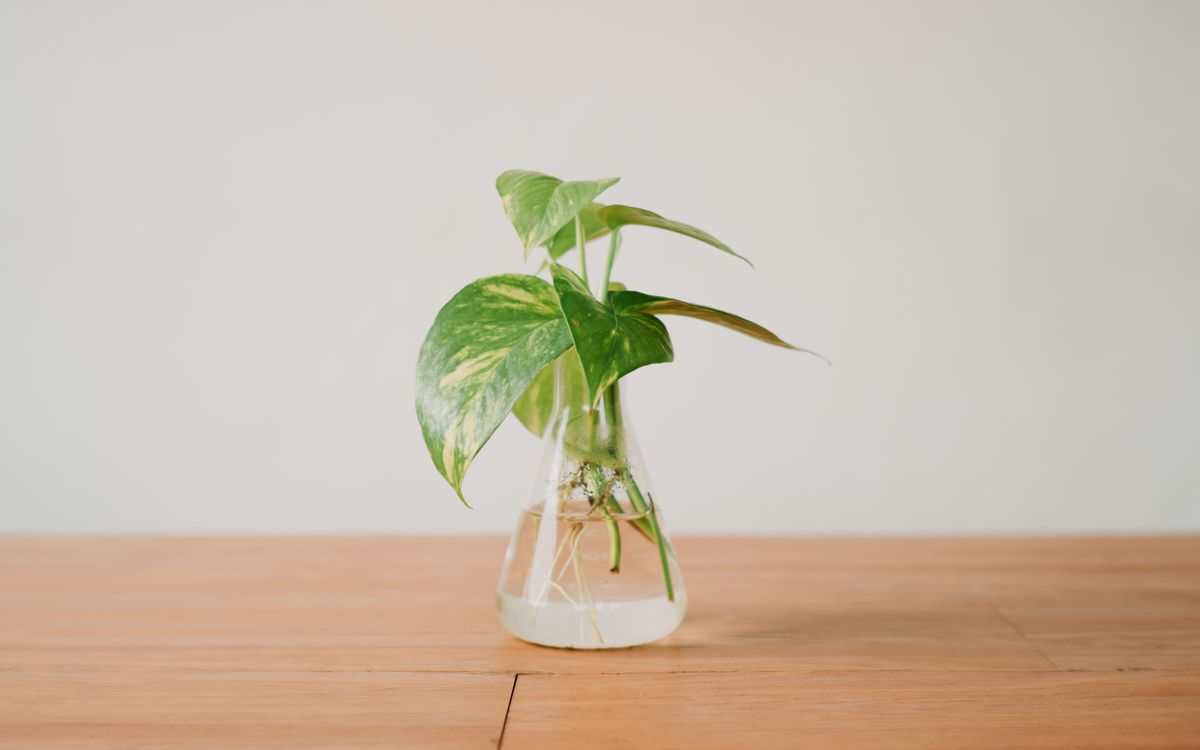
You can also detach a developed plantlet and root it straight into a small container. Relative humidity and a modest leaf area help it avoid drying out before it has functioning roots. Keep it in bright, indirect light and check the medium often so it stays slightly moist without being sodden. If you start it in water, keep the crown above the waterline and move it to soil after useful roots emerge. Watch the small container closely during that transition. A large vessel of uncolonized wet potting mix makes it harder to judge what the baby needs.
If the plantlets are beginning to drape onto the floor or under a water tray, thin some out and let the others remain. Removing an older bare shoot can improve access to the plant without affecting the main leaves. Keep the center of the parent plant visible enough to inspect the youngest growth. Avoid pulling the whole flowering stalk because it may tear nearby living leaf bases.
Divide or move up when the pot says so
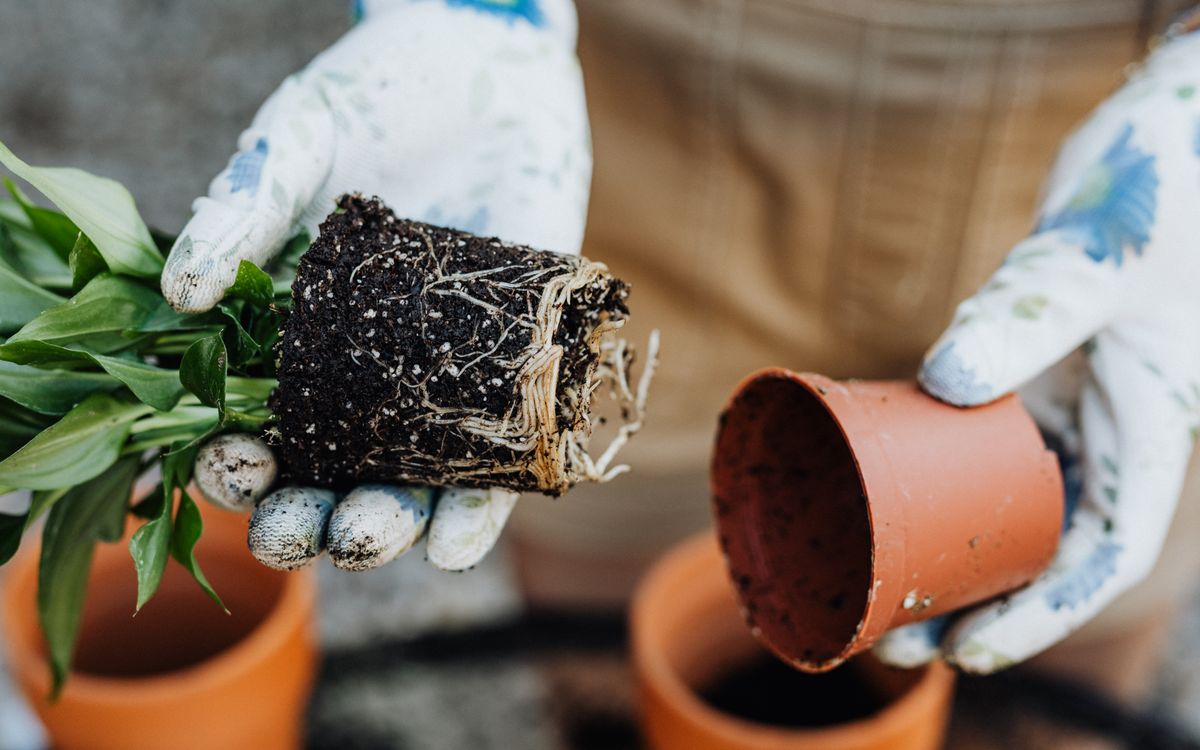
A spider plant with swollen roots at the surface can surprise you when you take it out of a narrow pot. The roots can fill almost the whole container, sometimes forming an oval shape that cannot pass through the smaller rim. Gently squeeze a flexible pot to release it or cut the pot away. Freeing an established clump should require little pulling on the actual leaves.
If the plant has distinct crowns and more width than you want, separate a section with roots attached and use it to start a second pot. When the clump suits its space, a small step in pot size is enough. Use clean potting medium with good drainage. Set each crown at about the same depth it grew before. Afterward, place the plant in bright filtered light and check the moisture as it settles. Disturbing a crowded root mass can temporarily change its ability to use water even if the container is only a little larger.
A growing plant generally needs only modest feeding. Follow a houseplant fertilizer label and consider existing nutrients in fresh mix before applying more. Scale back when growth slows. A container already showing a mineral crust is a poor place to experiment with more fertilizer. If the leaves are firm and the new crown is nicely shaped, frequent feeding to provoke extra plantlets can create more maintenance than it solves.
For a small home, the most versatile plant is often a young division on a reachable hook. Let its circle of leaves fill out before encouraging longer stems. As it matures, the pot's weight, the feel of the top layer and the condition of its newest leaf provide three everyday checks. Use them before changing the care that allowed it to grow in the first place.
After a plantlet settles into its own pot, wait for a few new central leaves before choosing a permanent hanging site. Small plants can look full when viewed from above yet have little root spread. A wide, shallow shelf with bright light provides a useful nursery for those first weeks. Hang the young plant once the mix dries predictably and you can lift the pot without shifting the crown.