Indoor Plants
Watering a Peace Lily Without Waiting for It to Wilt
Read the leaves, pot weight and condition of the root ball so a peace lily can stay evenly moist and recover from the occasional dry spell.
7 min read
Look below the droop
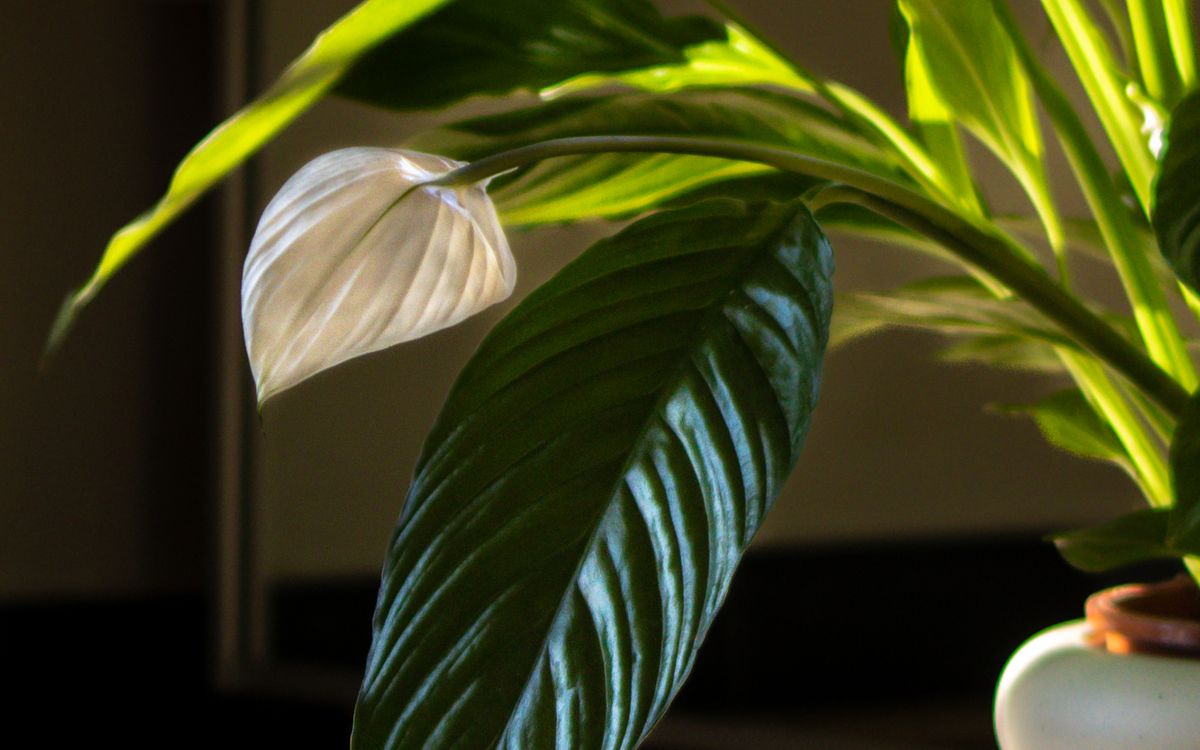
A peace lily can hang every leaf over the rim by the end of a warm day. If its roots are sound and the mix is dry, it often stands up again after a good watering. That dramatic recovery makes the droop easy to treat as a regular alarm. Repeated severe wilting takes a toll on leaf edges and growth. A better alarm is a pot that has become lighter and whose upper mix has dried a little while the root zone remains faintly moist.
Start by lifting the container or by slipping a finger into the upper layer away from the swelling base of the plant. If the pot is surprisingly light and the mix has shrunk away from the sides, dryness is the most likely reason for the wilt. If the pot is heavy and the lower mix is wet, wait before adding anything. Wilt in wet soil can reflect oxygen-starved or damaged roots that can no longer supply the foliage. A leaf may also fold down in hot direct sun and look better the next morning. Weather, light and root moisture together tell a much clearer story than posture.
Set up a watering station that works
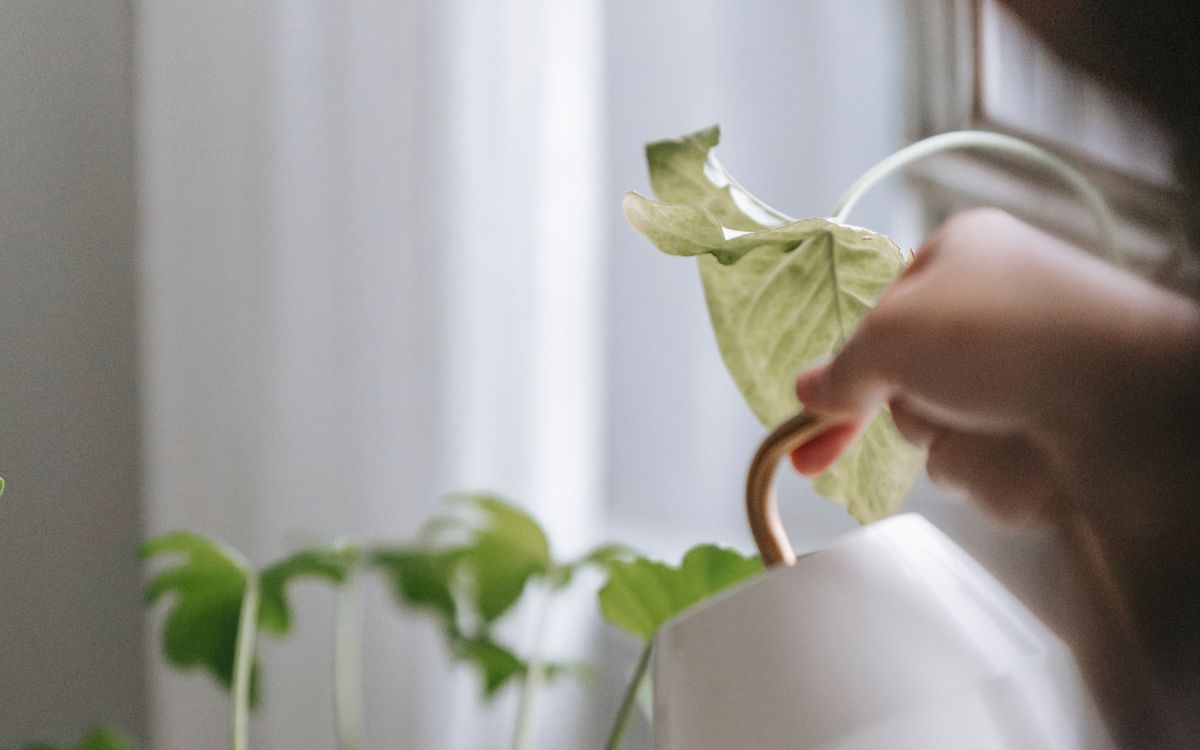
Peace lilies prefer evenly moist, aerated potting mix, and getting it evenly wet is easier with an ordinary nursery pot. Place the inner pot in an attractive cover if you like. Keep enough space at the rim to lift it out without pulling on the leaf stalks. When the plant is ready, set the nursery pot in a sink and slowly wet the surface. Work around the cluster of stems rather than flooding a single gap. Leave it to drain before putting it back.
An older potting mix can be difficult to rewet once dry. Water may appear in the sink almost as soon as it enters the pot while the root ball stays light. Try a light pass over the whole surface, wait several minutes and follow with another pass. A second slow soaking is more likely to reach the centre. A short soak from below can help rewet a stubborn dry root ball. Remove the pot as soon as the medium has absorbed sufficient moisture, drain it well and reserve the method for situations where top watering is struggling to work. Permanent standing water isn't the goal.
A large floor specimen may be too heavy to take to the sink. Choose a saucer you can empty after every watering. A manual siphon or shallow scoop can remove water from a broad tray without lifting the pot. Protect the floor with a waterproof surface and check the opening under the pot periodically. Tight-fitting stoneware without a drainage hole can turn the first few inches of the container into a hidden reservoir. If the plant lives in that setup, calculate your routine around a removable inner pot.
Watch how the pot changes through a week
A small plant with leaves exposed to a bright window and circulating warm air may need water often. A big specimen in an interior corner with cool nights can use it far more slowly. You can learn how fast a particular pot dries by checking one or two days after a thorough watering, then every couple of days until it feels ready again. Compare the weight each time. The next week may follow roughly the same pattern if conditions are stable.
Change the checking interval when light or temperatures change. A sunny late-summer afternoon can dry leaves faster, while a week of cloudy weather reduces demand. A plant moved a little closer to a window may use water faster without appreciably changing the thermostat reading. Heating vents can do the opposite of what you expect from the winter season by making one side of a pot dry quickly. If a fan or heater hits the leaves, move the plant out of its direct path and keep checking the lower mix.
Flowering modifies the balance too. An actively growing peace lily may have several firm new shoots and new white spathes. If you remove several leaves or divide a big clump, the smaller plant uses less water than the old one. Match the pot to the reduced root ball and watch its weight until the previous routine no longer seems relevant. A steady plant will make its needs apparent over successive cycles.
Examine the tips and margins
Dry brown tips alone do not identify a watering problem. Repeated drought, injury to root tissue, fertilizer buildup and low humidity can all damage the ends of leaves. A lighter brown edge on a group of leaves by a cold pane or an afternoon sunbeam may point first to the exposure. A white crust on the upper mix or at the rim suggests dissolved minerals have accumulated. Salt can be left by fertilizer, frequent hard-water irrigation or softened water with added sodium.
Try room-temperature rainwater, distilled water or reverse-osmosis water if mineral buildup is a continuing problem and suitable water is convenient. A standard carbon filter may improve taste but does not necessarily remove dissolved salts. If the pot drains freely and roots are healthy, occasional thorough watering to let excess move through can reduce buildup. Avoid trying to flush a waterlogged pot or treating every damaged tip as proof of bad water. Old brown tissue will stay brown. The right comparison is the condition of the next two leaves to finish opening.
Leaf care can help you detect changes. Clean a dusty blade with a damp soft cloth and support the back. A leaf shines naturally when it is clean, so coating it is unnecessary. Leave small areas of tip damage if the remaining leaf is useful. If you trim a damaged margin, use clean scissors and keep the cut in the dry area when possible. A fully yellow or broken leaf can be removed near the base, avoiding neighboring shoots.
Respond to a peace lily that stays limp
Once a genuinely dry pot is evenly rehydrated, allow time for its roots to take up water. Many plants raise their leaves within hours, while some damaged ones respond more slowly. If the centre stays limp the next day, check that the whole root ball actually became wet. You may find a dry core inside a shell of damp mix, particularly on an older, heavily rooted specimen. In that case, rewet deliberately rather than counting the number of times water has been applied.
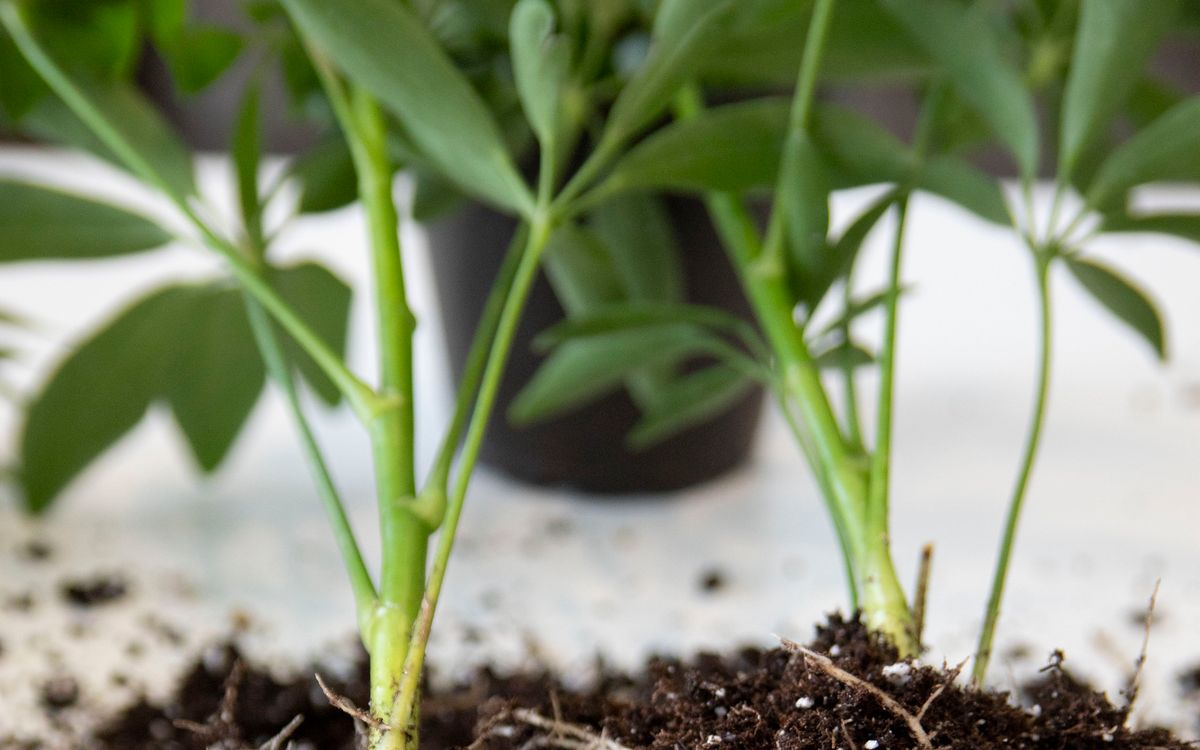
If there is a sour smell, the pot stays heavy and leaves continue yellowing, slip the root ball out for an inspection. Healthy peace lily roots are usually firm even if they have a natural brown tint from the mix. Rotten roots tend to be soft or hollow and can slough apart between the fingers. Remove clearly decayed roots with a clean tool and replant the surviving base in a fresh, airy mix if enough sound roots remain. A substantially reduced root system often needs a smaller pot. Large volumes of wet mix are difficult for recovering roots to manage.
A freshly divided plant that wilts lightly may be repairing roots below the surface. Keep it in bright indirect light without direct heat and maintain gentle moisture. Fertilizer and repeated unpotting add more disturbance. Watch whether the base remains firm and whether the foliage begins to stabilize between checks. Persistent decline with a soft crown calls for another inspection.
Give the whole plant a workable site
Peace lilies tolerate lower light, but brighter indirect light generally supports better growth and flowering. If the leaves are pleasant but blooms have disappeared for a long period, check the window before buying a flowering feed. A plant moved toward a window may need more frequent checks and protection from direct midday sun. If there is no window view at the leaf position, consider a grow light. A pale spathe becoming green or brown as it ages is a normal stage and can be tidied once it fades.
The plant's common name can be confusing because Spathiphyllum is distinct from a true lily. Chewing its foliage can cause irritation from insoluble calcium oxalate crystals. Place it beyond reach of children and animals that might chew it, and discard trims promptly. A high shelf is useful only if the foliage has good light there and a heavy, freshly watered pot can still be moved safely.
For a practical starting point, do the next three waterings by checking pot weight and the top layer. If the leaves stay firm and the interval feels predictable, keep the routine until the next real change in conditions. If there is recurring droop before the next planned check, shorten the checking interval and see whether the pot itself is undersized. You can prevent the crash without keeping the entire root system constantly wet.
If the plant shares its space with a succulent, don't use the other pot as a clock. The peace lily may be ready while deeper mix in the second pot remains suitable for several more days. Put their checks on the same day if that is convenient and water only the pot that has reached its own threshold. Matching decorative pots can hide remarkably different root systems and rates of water loss.